Mindfulness for Beginners: A Practical Introduction
What is Mindfulness?
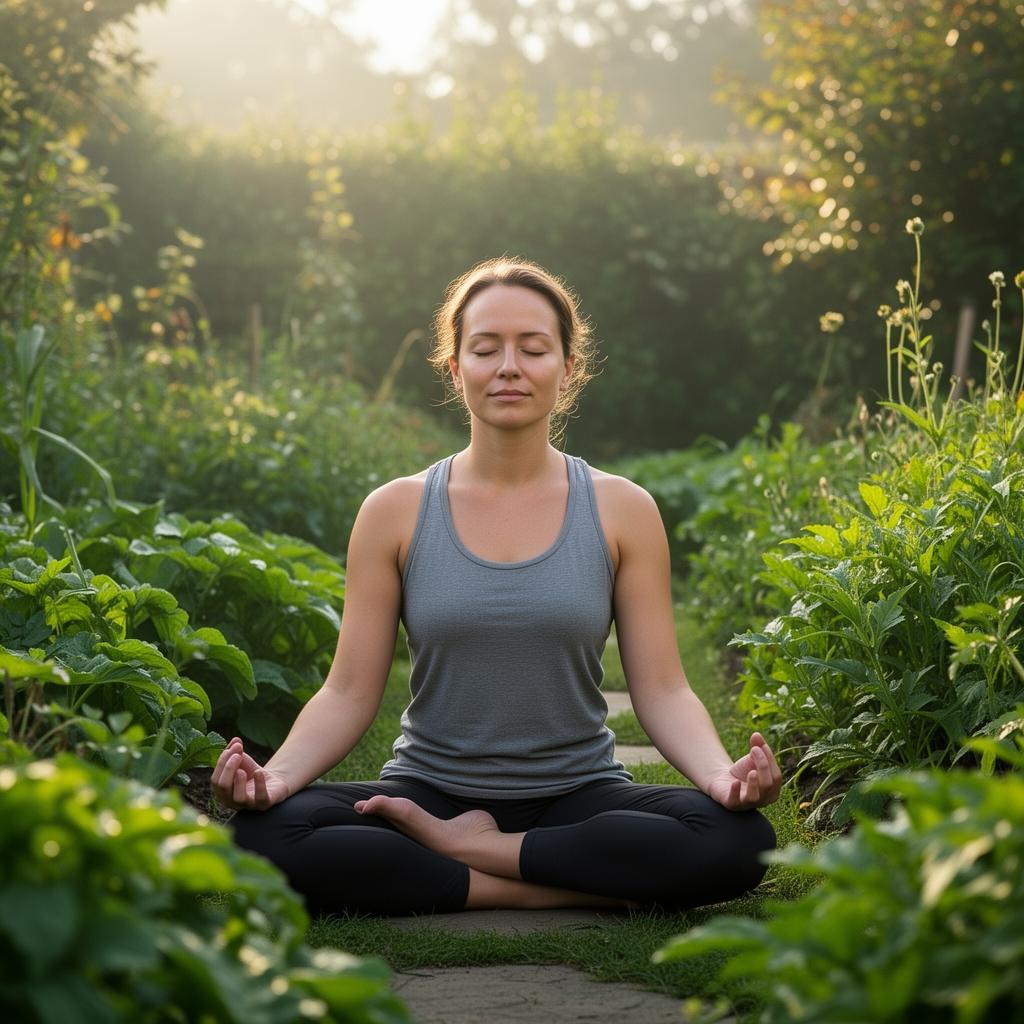
Mindfulness is the practice of paying attention to the present moment, on purpose, without judgement. It is about noticing what is happening right now - in your body, mind, and surroundings - with curiosity and acceptance.
Benefits of Mindfulness
Research has shown that regular mindfulness practice can:
- Reduce stress and anxiety
- Improve focus and concentration
- Enhance emotional regulation
- Boost overall wellbeing
- Improve sleep quality
- Lower blood pressure
- Sit comfortably and close your eyes
- Focus on your breath - the sensation of air entering and leaving
- When your mind wanders (it will!), gently return to your breath
- Do not judge yourself for wandering; just come back
- Lie down or sit comfortably
- Slowly move your attention through your body
- Notice any sensations without trying to change them
- Start from your toes and work up to the top of your head
- Walk at a natural pace
- Focus on the sensations in your feet and legs
- Notice how your body moves
- When your mind wanders, return to the physical sensations
- Choose one meal or snack to eat mindfully
- Notice the colours, smells, and textures
- Eat slowly, savouring each bite
- Pay attention to hunger and fullness signals
- Stop what you are doing
- Take a breath
- Observe your experience (thoughts, feelings, sensations)
- Proceed with awareness
- Start small - even 2-3 minutes counts
- Practice at the same time each day
- Use apps like Headspace, Calm, or Insight Timer
- Be patient with yourself
- Remember: consistency matters more than duration
- Washing dishes
- Taking a shower
- Waiting in a queue
- Having a conversation
Common Misconceptions
"I need to clear my mind"
Mindfulness is not about stopping thoughts - it is about noticing them without getting caught up in them. Your mind will wander; that is normal. The practice is in gently bringing your attention back.
"I do not have time"
You do not need hours of meditation. Even 5 minutes a day can make a difference. You can also practice mindfulness during everyday activities.
"I am not doing it right"
There is no perfect way to be mindful. If you are paying attention to your experience, you are doing it right.
Simple Mindfulness Practices
1. Mindful Breathing (5 minutes)
2. Body Scan (10 minutes)
3. Mindful Walking
4. Mindful Eating
5. The STOP Technique
Use this throughout your day:
Tips for Building a Practice
Beyond Formal Practice
Mindfulness can be integrated into any activity:
The key is bringing your full attention to whatever you are doing.
Exploring Mindfulness as Part of Your Wider Wellbeing
Mindfulness is a valuable skill, but it is not the only support available. If you are new to mindfulness and also managing anxiety, stress, or low mood, it can help to explore a range of approaches. Our free stress quiz can help you notice your own stress patterns, while the worry jar offers a gentle way to release anxious thoughts. For a more individualised approach, Abena offers nurse-led 1:1 sessions that can introduce mindfulness practices suited to your life and cultural context. You can learn more on our services page or explore more psychoeducation and tools in our resource library.
Remember: Mindfulness is a skill that improves with practice. Be patient with yourself as you learn.
Stay Connected
Get wellness tips, mindfulness practices, and mental health resources delivered to your inbox.
We respect your privacy. Unsubscribe anytime.