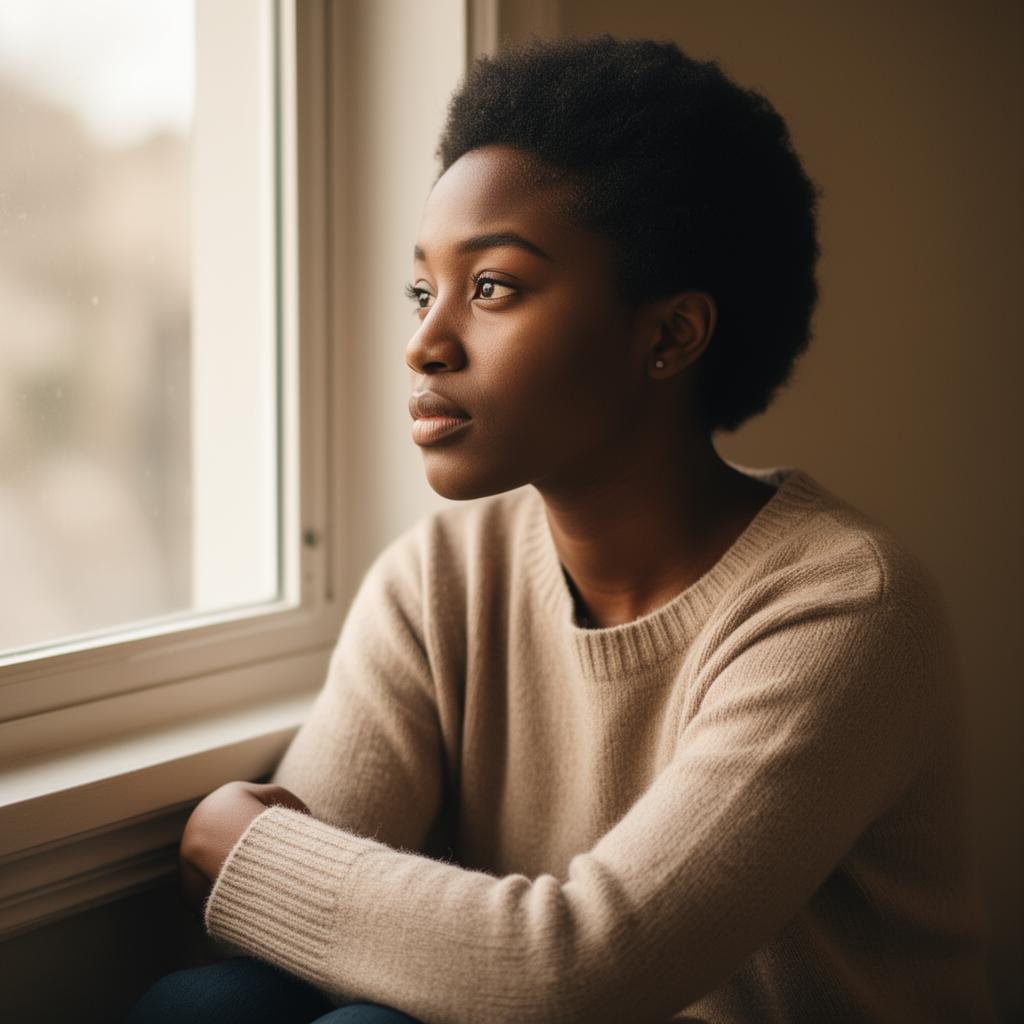
Mental Health in Ghana: Breaking the Silence
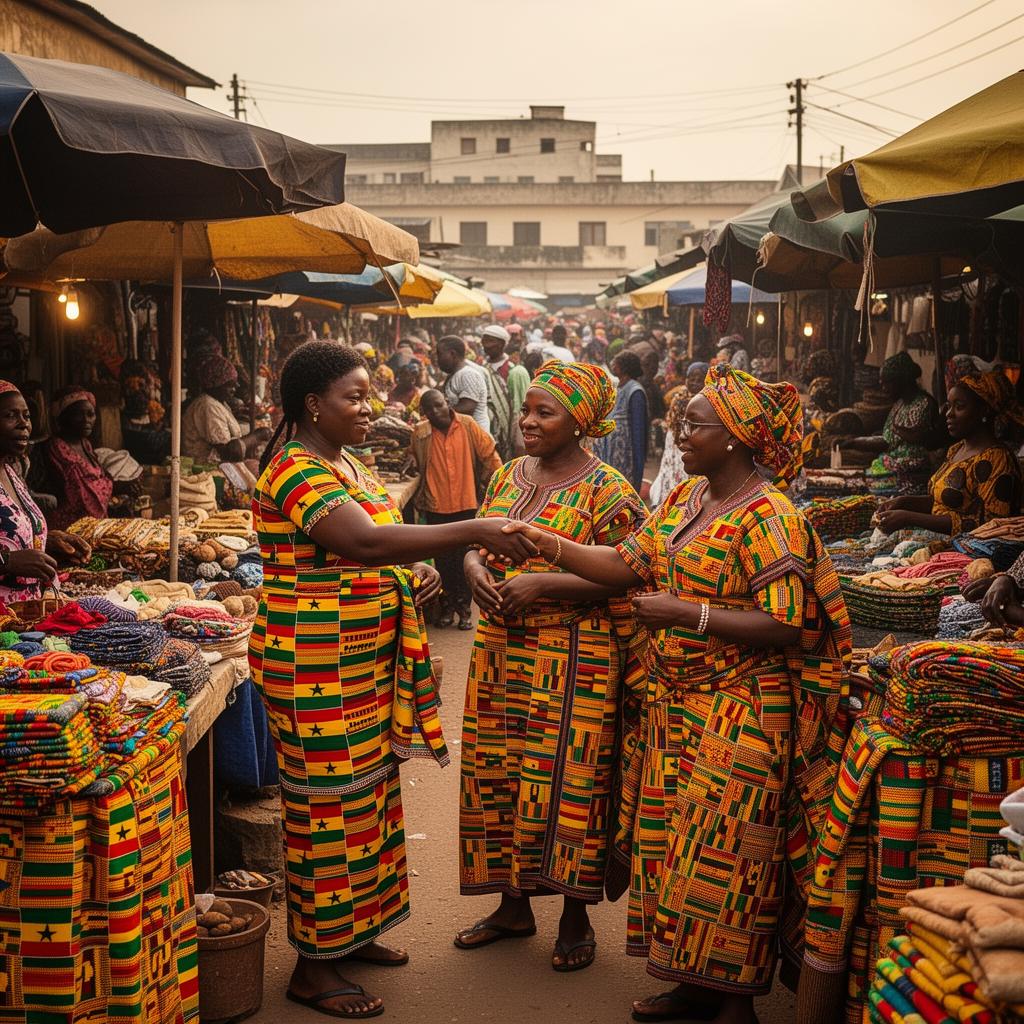
A Growing Conversation
Mental health in Ghana has traditionally been a subject surrounded by silence, stigma, and misunderstanding. Yet across the country, from Accra to Kumasi and beyond, a growing movement of individuals, healthcare professionals, and organisations is working to change this narrative.
As a Ghanaian-British mental health nurse, I understand the unique challenges faced by those navigating mental health in Ghana or within the Ghanaian diaspora. This post is for anyone seeking to understand the landscape and find their path to support.
Understanding the Cultural Context
Traditional Beliefs and Mental Health
In many Ghanaian communities, mental health conditions are sometimes attributed to spiritual causes, curses, or personal weakness. These beliefs can make it difficult for individuals to recognise their experiences as health conditions that deserve care and support.
It is important to acknowledge these cultural perspectives with respect whilst also understanding that mental health conditions are medical experiences that affect people across all cultures, backgrounds, and beliefs.
The Role of Family and Community
In Ghana, family and community play central roles in daily life. This can be both a source of strength and a challenge:
- Strengths: Strong family bonds can provide meaningful support during difficult times
- Challenges: Fear of bringing shame to the family can prevent people from speaking openly about their struggles
- Ghana has approximately 3 psychiatrists per 1 million people
- Mental health services are concentrated in urban areas
- The Mental Health Act 846 (2012) provides a legal framework for mental health care
- Community mental health programmes are expanding across regions
- Accra Psychiatric Hospital
- Pantang Hospital
- Ankaful Hospital (Cape Coast)
- Regional and district hospitals increasingly offer outpatient mental health services
- Community psychiatric nurses provide support in some areas
- NGOs and faith-based organisations offer counselling services
- Mental Health Authority Ghana provides information and guidance
- Several NGOs offer telephone counselling services
- Online therapy platforms are becoming more accessible
- Persistent sadness or hopelessness lasting more than two weeks
- Overwhelming anxiety that interferes with daily life
- Difficulty sleeping or changes in appetite
- Withdrawing from activities you once enjoyed
- Thoughts of self-harm
- A trusted friend or family member
- A faith leader who is open to mental health conversations
- A healthcare professional at a local clinic
- An online support community
- Start with your local health centre or hospital
- Ask about mental health outpatient services
- Consider private counselling if available and affordable
- Explore online therapy options for greater privacy
- Understand that mental health conditions are common and treatable
- Learn coping strategies for managing stress and difficult emotions
- Explore resources from trusted organisations
- Balancing cultural expectations with accessing support
- Finding practitioners who understand your cultural background
- Supporting family members in Ghana from a distance
- Mental Health Authority Ghana: mentalhealthauthority.gov.gh
- Accra Psychiatric Hospital: +233 302 228 521
- Mind: mind.org.uk
- Samaritans: 116 123 (free, 24 hours)
- GrowthPlaceWellness: We are here to help you navigate your journey
Finding ways to involve trusted family members in your mental health journey, when appropriate, can be beneficial.
The Reality of Mental Health in Ghana
Key Statistics
Available Support Services
Psychiatric Hospitals
Community Mental Health Services
Helplines and Online Support
Breaking the Silence: Practical Steps
1. Start with Self-Awareness
Pay attention to how you are feeling. Common experiences that may benefit from support include:
2. Find Trusted Support
Consider who in your life might be a safe person to talk to:
3. Explore Professional Help
If you have access to professional mental health services:
4. Educate Yourself
Learning about mental health can help reduce fear and uncertainty:
For the Ghanaian Diaspora
If you are part of the Ghanaian diaspora in the UK or elsewhere, you may face unique challenges:
Remember that seeking help is not a rejection of your culture. It is an act of self-care that can ultimately benefit you and those you love.
Moving Forward with Hope
The conversation around mental health in Ghana is changing. More people are speaking openly, more services are becoming available, and more communities are recognising that mental health matters.
If you are struggling, please know that you are not alone. Taking even a small step towards understanding your mental health is an act of courage.
Whether you are in Ghana or part of the diaspora, support is available. It may require patience and persistence to find the right support for you, but it is worth the effort.
Resources
In Ghana
In the UK
-
At GrowthPlaceWellness, we understand the complexities of mental health across cultures. If you would like to discuss your experiences in a safe, confidential space, please reach out. One gentle step at a time.
Stay Connected
Get wellness tips, mindfulness practices, and mental health resources delivered to your inbox.
We respect your privacy. Unsubscribe anytime.